
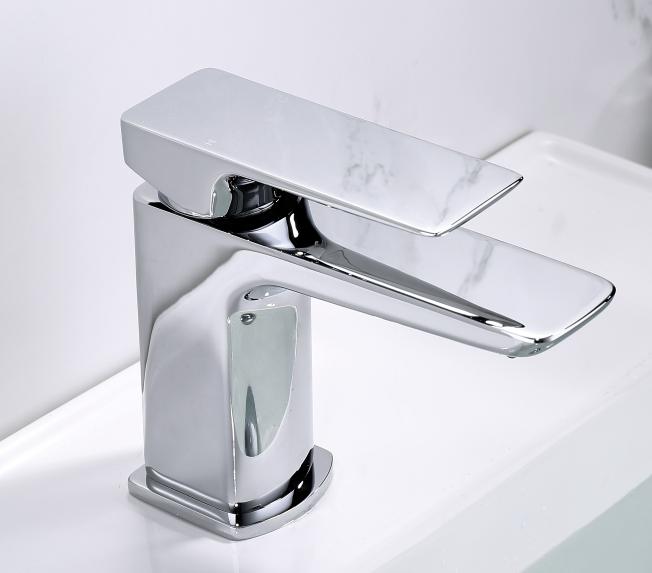
A leaking wash Basin Faucet is a common household issue that can waste water, increase utility bills, and gradually damage the basin or countertop if left unresolved. Fortunately, most basin faucet leaks are caused by a small number of identifiable issues, many of which can be repaired without replacing the entire faucet. This article explains how to diagnose the source of a leak, how to repair it step by step, and when replacement becomes the more practical option. The guidance applies to standard basin faucets, including modern designs such as those found in the HAOJIAJIA basin faucet range, which are built with serviceable internal components.
Before attempting any repair, it is essential to identify the exact location of the leak. A wash basin faucet can leak from several points, and each indicates a different internal issue.
Common leak locations include:
Dripping from the spout when the faucet is fully closed
Water seeping around the handle during use
Moisture at the base of the faucet, near the basin surface
Leaks under the sink, around supply connections
A spout drip usually points to a worn cartridge or valve seal, while leaks around the handle often indicate degraded O-rings. Base leaks may involve loose mounting hardware or compromised gaskets.
Proper preparation prevents accidental flooding and simplifies the repair process. Even minor basin faucet repairs should never be done with the water supply open.
Before starting:
Shut off both hot and cold water supply valves under the basin.
Open the faucet to release residual pressure.
Place a towel or container beneath the basin to catch any remaining water.
Cover the drain opening to avoid losing small parts.
Having basic tools ready, such as an adjustable wrench and screwdriver, will make the process smoother.
A drip from the spout after the faucet is turned off is the most frequent complaint. In most modern basin faucets, this issue is caused by a worn internal cartridge or ceramic disc.
To address this:
Remove the handle to access the cartridge housing.
Take out the cartridge carefully and inspect it for wear or mineral buildup.
Clean minor scale deposits if present.
Replace the cartridge if the sealing surfaces appear damaged.
High-quality basin faucets, including many HAOJIAJIA models, use standardized cartridges that are easier to replace, extending the faucet’s usable life without full replacement.
Water leaking from around the handle usually indicates worn O-rings or seals. These components prevent water from escaping along the valve stem during operation.
Typical steps include:
Removing the handle and decorative cap
Locating the O-rings beneath the handle assembly
Replacing worn or flattened O-rings with correctly sized replacements
Reassembling the handle carefully to avoid misalignment
This type of leak often appears during use rather than when the faucet is turned off, making it easy to distinguish from cartridge-related dripping.
When water collects around the base of the faucet, the issue may not be the internal valve but the mounting system or sealing gasket between the faucet and the basin.
Possible causes include:
A loose mounting nut beneath the basin
A compressed or deteriorated rubber gasket
Slight movement of the faucet body over time
Tightening the mounting hardware from below often resolves the problem. If the gasket is damaged, replacing it restores a watertight seal. Basin faucets with solid mounting plates, such as those used in the HAOJIAJIA basin faucet series, are designed to reduce base movement and improve long-term stability.
Not all leaks originate from the faucet body itself. Sometimes the issue lies in the water supply lines or connection points.
Inspect for:
Loose compression nuts
Worn braided hoses
Corrosion at connection threads
Tightening fittings gently or replacing aging supply hoses can eliminate leaks that might otherwise be mistaken for faucet failure.
While many leaks are repairable, there are cases where replacement is the more reliable solution. This is especially true if the faucet body itself has deteriorated.
Consider replacement if:
The valve body shows internal corrosion
Replacement cartridges are unavailable
Multiple leaks occur simultaneously
Repairs have become frequent and repetitive
Modern basin faucets are designed with improved sealing systems and smoother internal water paths. Choosing a newer, service-friendly design can reduce long-term maintenance demands.
Preventive care significantly extends the life of a wash basin faucet and reduces the likelihood of leaks.
Recommended practices:
Avoid overtightening handles during use
Clean mineral deposits regularly in hard water areas
Periodically inspect supply connections
Choose faucets with durable internal components
Well-constructed basin faucets, such as those in the HAOJIAJIA basin faucet collection, are designed to balance ease of maintenance with long-term sealing reliability.
Repairing a leaking wash basin faucet usually involves identifying the leak location, replacing worn internal components, and securing mounting or supply connections. Most issues can be resolved with basic tools and careful inspection, without removing the entire faucet. Understanding how your basin faucet is constructed allows you to address problems early and avoid unnecessary water waste. For users seeking reliable designs with serviceable internal parts, modern basin faucets from HAOJIAJIA offer practical solutions that support both repairability and long-term performance.

 Mobile Phone:
 Phone:
 Contact Now