
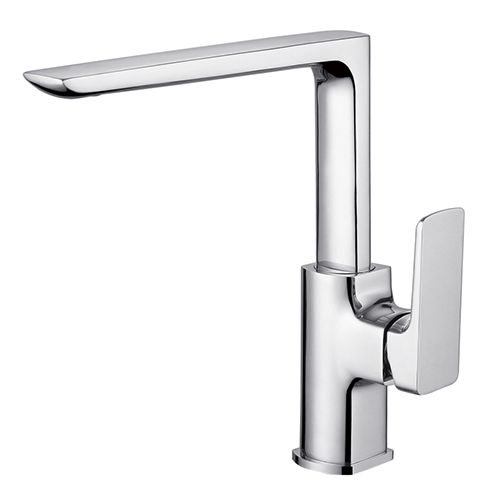
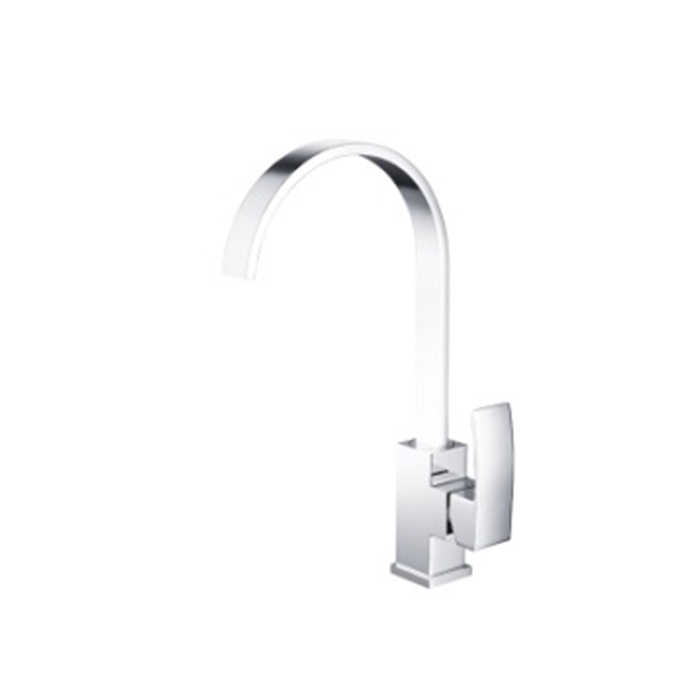
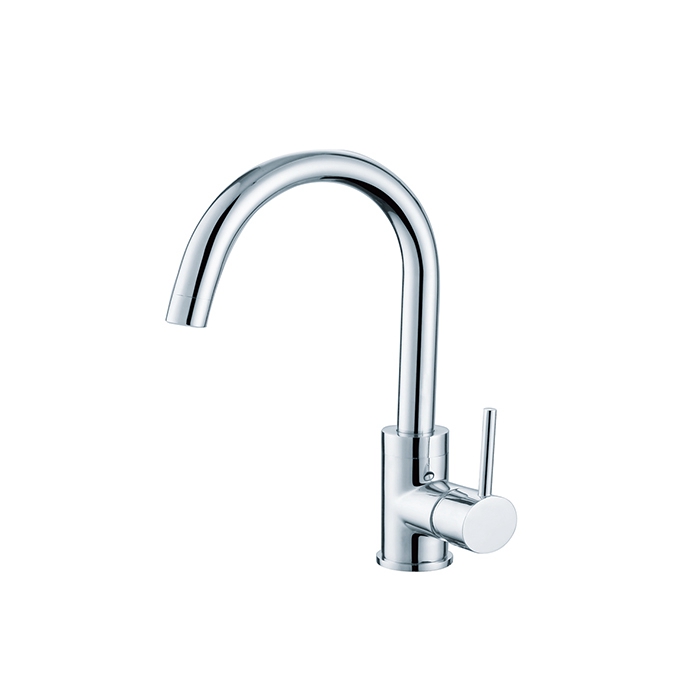
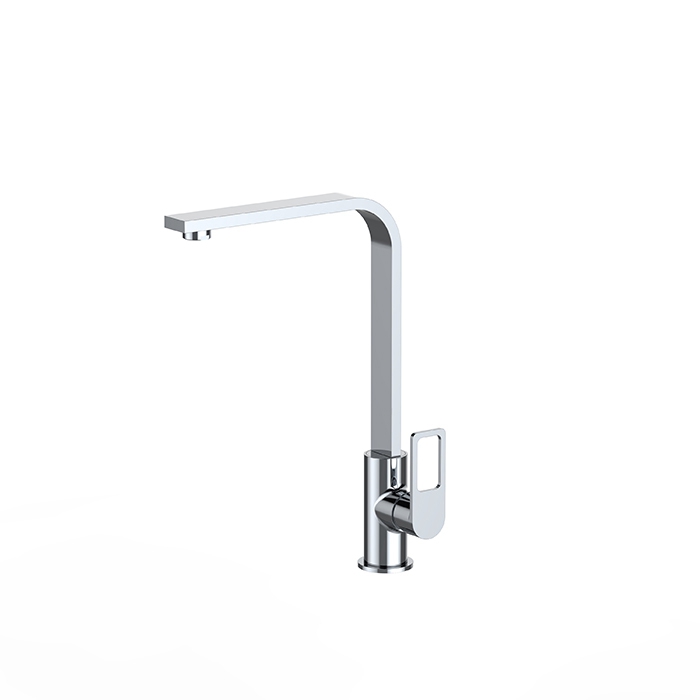
The Kitchen Single Lever faucet is a kitchen faucet with a single-handle control design, allowing users to simultaneously adjust the mixing ratio and flow rate of hot and cold water with a single handle, providing a smooth and efficient user experience. Its intuitive operation allows users to quickly adjust the water temperature while performing kitchen tasks without frequent interruptions. It offers a flexible, stable, and comfortable water experience during daily cooking, washing, and food preparation, keeping operations consistent and convenient even in a busy kitchen environment.
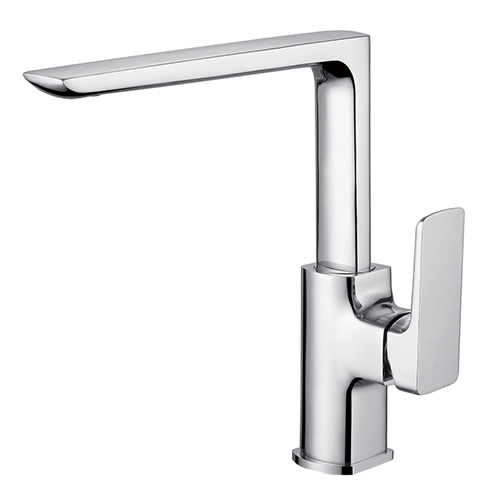
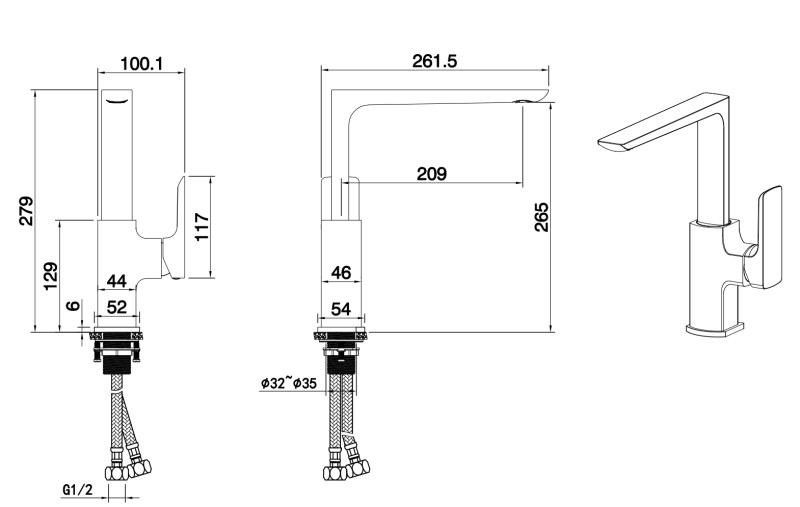
| Model: | D77 |
| Handle Material: | Zinc Alloy |
| Body Material: | HPb59-1 Brass (One-Piece) |
| Valve Core: | Wanhai Cartridge |
| Aerator: | Neoperl Aerator |
| Pipe: | 60cm Red-Blue Braided Hose |
| Finish: | Electroplating/Water Plating/PVD Coating/Electrophoretic Coating |
| Installation Method: | Under Counter Mounting |
| Colour: | Chrome/Gunmetal/Matte Black/Gold /Matte White |
| Temperature Control: | H&C |
| Faucet Type: | Double Handle |
| Flow Rate: | Adjustable |
| Handle Type: | Lever |
| OEM: | ODM |
| Packaging: | EPE Foam + Glossy Plastic Box Packaging |
| Other Service: | For Countries With Plastic Restriction Requirements, Packaging Can Be Changed According To Customer Requirements. |
1. Precision Ceramic Valve Core
The Kitchen Single Lever Faucet uses a valve core made of high-hardness ceramic material. Its wear resistance has been tested for 500,000 opening and closing cycles while maintaining stable sealing performance, significantly reducing the probability of leakage. The flatness between the ceramic discs is at the micron level, making water flow switching smoother and allowing users to fine-tune water volume and temperature in a very short time.
2. Thickened Brass Body
The body is made of thickened brass, with a copper content generally maintained at around 59%, effectively improving compressive strength and pitting corrosion resistance. Its internal water passages are smoothed to reduce the probability of scale buildup, helping to maintain smooth flow performance over the long term and ensuring stable and reliable kitchen water supply.
3. Adjustable Throttling System
The internal water passages feature an adjustable throttling structure, providing a stable water output within the range of 1.5–2.2 GPM, allowing users to obtain efficient water flow in different washing scenarios. This structure utilizes a flow equalization design to prevent inconsistent water flow due to pressure fluctuations.
4. Anti-corrosion Surface Coating
The surface employs a multi-layer electroplating or PVD coating with an average thickness between 0.2 and 0.3 micrometers. It passes a 72-hour salt spray test without corrosion spots. The gloss is stable and does not fade, effectively resisting long-term contact with food stains, detergents, and moisture.
5. Smooth One-Handed Operation
The handle uses a scientifically designed lever structure with operating resistance controlled within the range of 0.4–0.6 N·m, allowing for easy adjustment even with wet hands. The control range covers the entire flow rate from low to maximum, suitable for quickly switching between different kitchen tasks.
1. Home Kitchen
Suitable for areas in home kitchens where food is frequently washed. Its single-handle adjustment allows for quick switching between hot and cold water, making it more efficient for handling vegetables, meats, or fruits.
2. Kitchen Dishwashing Area
For everyday dishwashing, the consistent water flow improves rinsing speed, and the high faucet provides ample space for pots, pans, or large dishes to be easily placed in the sink.
3. Kitchen Island Sink
Compatible with freestanding island sinks, providing a simple and intuitive way to prepare food, wash fruits and vegetables, or replenish drinking water. Its streamlined design is suitable for open kitchens, harmonizing with the island's décor and maintaining a cohesive look.
1. Regularly Clean the Surface
Wipe the surface weekly with a neutral detergent and a soft cloth to effectively reduce the buildup of water stains and kitchen grease. Avoid using strong acids or alkalis, as these can damage the electroplated layer. Light daily cleaning maintains surface shine, keeps the coating stable, extends its lifespan, and reduces the risk of corrosion.
2. Maintain the Aerator
Aerators are prone to limescale buildup over time. They should be removed and rinsed every 1-2 months, and soaked in warm water if necessary to soften the deposits. Keeping the aerator clear maintains the original water flow and spray pattern, preventing spray deviation or flow reduction due to blockage, ensuring daily cleaning efficiency is not affected.
3. Check the Hose Condition
After prolonged use, the connecting hose may show slight aging or loosening. Check the connections every 6 months for tightness and signs of leakage. Replace any hoses showing wear to ensure a safe and stable water system. A well-maintained hose ensures consistent water pressure during hot and cold water transitions, reducing the risk of potential leaks.
4. Keep the Valve Core Clean
Impurities inside the valve core may affect the opening and closing feel. It is recommended to briefly flush the water after water system construction or water outages to remove impurities and prevent sand from entering the valve core. If the feel becomes heavier, have a professional inspect the valve core. Keeping the valve core clean maintains smooth handle operation and further reduces internal wear.
5. Avoid External Impacts
Avoid direct impacts from pots, pans, or other metal utensils during use to reduce dents or structural loosening. Pay special attention to placement, especially in confined sink areas. Keeping the faucet stable and free from impacts helps maintain its sealing performance and extends its overall lifespan.

 Mobile Phone:
 Phone:
 Contact Now