
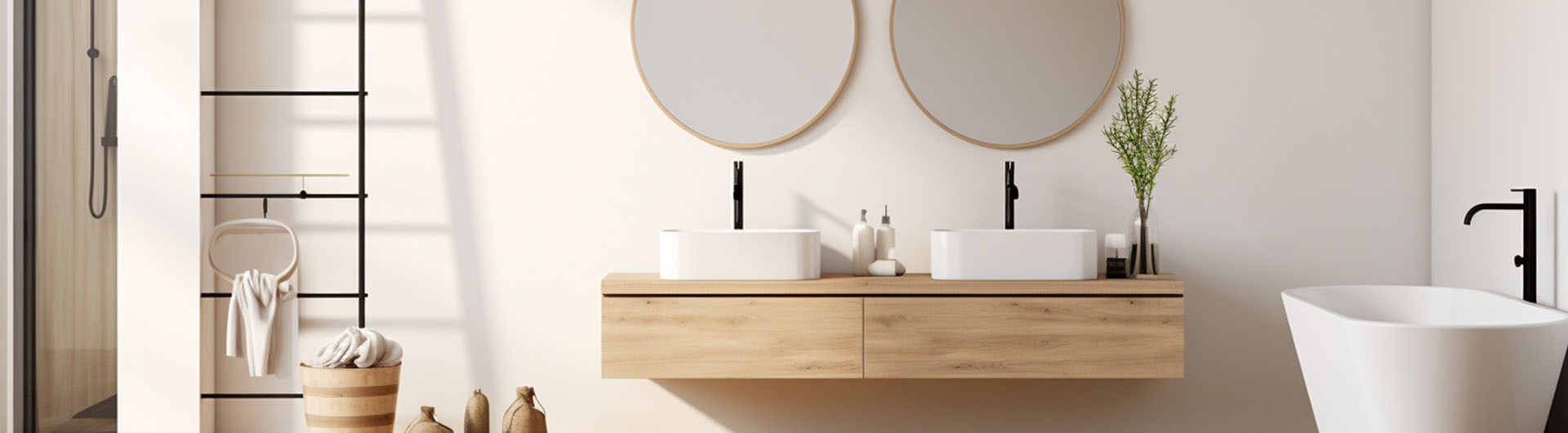
Many buyers ask a simple question before sourcing: are bathroom faucets universal? When selecting a bathroom sink faucet, compatibility is often more complex than expected. At first glance, most faucets seem interchangeable, but once you move into real projects, wholesale sourcing, or private label planning, the differences become clear.
For importers, distributors, and contractors comparing different bathroom sink faucet brands, the challenge is not just about style. It is about installation fit, long-term durability, and whether the product can truly match the basin, wall structure, and market expectations. What looks universal in photos often turns into costly adjustments on site.

A bathroom sink faucet is only universal in a very general sense. It performs the same function, but the way it installs and operates can vary significantly. Some faucets are deck-mounted, others are wall-mounted, and concealed types require internal installation inside the wall. These structural differences mean that compatibility is never guaranteed.
For example, a concealed Basin Faucet works completely differently from a traditional exposed faucet. Our product uses a wall-mounted concealed structure, where the main body is embedded inside the wall, leaving only the functional parts visible. This creates a clean and modern look, but it also means the faucet must match wall depth, pipe alignment, and basin position from the beginning.
Many buyers underestimate this difference. They assume that a faucet can be replaced easily without adjusting surrounding conditions. In reality, mismatched installation can lead to delays, rework, and higher labor costs.
Before choosing a bathroom sink faucet, buyers need to evaluate the actual installation environment. The mounting type is the first key factor. A deck-mounted faucet cannot directly replace a wall-mounted concealed faucet without modifying the structure. This is especially important in renovation projects where time and cost control are critical.
The second factor is basin matching. The spout length and angle must suit the sink depth and shape. If the projection is incorrect, water flow may cause splashing or poor usability. These details may seem small, but they directly affect user experience in hotels, apartments, and commercial spaces.
The third factor is internal construction. Many sourcing issues do not appear during installation but arise later. Weak materials, unstable cartridges, or poor plating can lead to leakage, surface wear, or inconsistent performance. For distributors and project buyers, this creates after-sales pressure and damages customer trust.
For buyers sourcing a bathroom sink faucet for modern projects, concealed installation is becoming a preferred choice. It offers a cleaner visual effect and better space utilization, especially in high-end residential and hospitality environments.
Our concealed basin faucet is designed with this application in mind. The internal structure is installed inside the wall, which helps reduce countertop clutter and improves overall aesthetics. The brass body supports long-term durability in humid conditions, while the surface treatment helps maintain a consistent appearance across bulk orders.
However, this type of faucet is not universal by default. It requires proper planning during the early stage of the project. Wall depth, water outlet position, and basin height all need to be considered. This is why many project buyers prefer to work directly with a supplier who can provide guidance before production and shipment.
When buyers ask whether faucets are universal, they are often trying to reduce sourcing risk. They want a product that fits multiple scenarios, minimizes installation issues, and reduces complaints after delivery. But in reality, no single faucet can meet all conditions.
The real solution is not to find a universal product, but to find a supplier who understands application matching. For wholesale buyers and solution providers, this includes evaluating project requirements, recommending suitable structures, and supporting customization needs.
Some buyers require OEM branding. Others need ODM adjustments in design, finish, or packaging. In many cases, the goal is to build a consistent product line that works across different sales channels. This requires more than just selecting a product from a catalog.
The search for bathroom sink faucet brands is often driven by concerns about reliability and long-term performance. Many products look similar, but differences appear after installation and use.
Common issues include inconsistent surface finish, early component failure, unclear installation instructions, and unstable bulk quality. These problems are difficult to detect during sourcing but can become serious after distribution or project completion.
That is why experienced buyers focus on supplier capability rather than price alone. Stable production, clear communication, and support for customization are essential for maintaining long-term cooperation. A well-matched product can reduce service cost and improve market competitiveness.
For OEM and ODM buyers, the idea of universality is even less realistic. Different markets have different expectations in terms of design, finish, and installation preferences. A bathroom sink faucet that performs well in one region may not meet the needs of another.
A concealed faucet provides more flexibility in this context. It allows brand owners to position their products in a higher segment while offering customization options in appearance and packaging. This is especially valuable for distributors building their own brand or targeting project-based sales.
Instead of asking whether a faucet is universal, OEM and ODM buyers should focus on whether the product can be adapted to their market. This includes technical compatibility, visual positioning, and supply stability.
Bathroom faucets are not truly universal. While they serve the same basic function, real compatibility depends on installation type, basin design, and project conditions. Choosing the right bathroom sink faucet is about matching the product to the application, not assuming one solution fits all.
A concealed basin faucet can be a strong option for projects that require a modern appearance and reliable performance, but it needs proper planning and supplier support from the beginning.
If you are sourcing for wholesale, private label, or project supply, you can share your requirements with us. We can help you evaluate compatibility, suggest suitable configurations, and support your OEM or ODM plans with practical guidance to make your sourcing process more efficient and reliable.
Previous:

 Mobile Phone:
 Phone:
 Contact Now