
Removing a kitchen faucet sounds simple, but in real kitchens the job is often slowed down by tight cabinet space, mineral buildup, corroded mounting nuts, and limited access behind the sink. A faucet may look easy to lift out from above, yet most of the real work happens underneath the sink where supply lines, mounting hardware, and hose connections are hidden. If the faucet is removed carelessly, the result can be scratched countertops, damaged supply valves, bent hoses, or loose sink fittings that create bigger repair work later.
This guide explains how to remove a kitchen faucet safely and efficiently, whether the faucet is a standard deck-mounted model, a Pull-down kitchen faucet, or a multi-hole installation with extra accessories. The goal is not only to help you take the faucet out, but to help you protect the sink area and prepare properly for a replacement. You can also explore HAOJIAJIA solutions on our kitchen faucet.
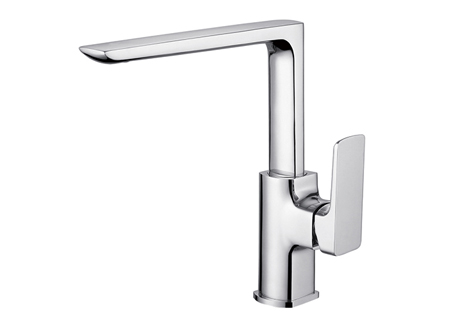
Before touching any tools, identify the faucet style and how it is mounted. Most kitchen faucets are deck-mounted through one or more holes in the sink or countertop. Some have a single body with integrated hot and cold controls. Others use a widespread layout with a separate spout and side handles. Pull-out and pull-down faucets usually include a spray hose and a counterweight hidden below the sink.
This matters because the removal process depends on the connection structure. A single-hole faucet often uses one mounting nut or bracket under the sink. A multi-hole faucet may use several fixing points and separate supply connections. A pull-down faucet may also require disconnecting the spray hose and weight before the faucet body can be lifted free.
A practical kitchen faucet removal starts with understanding the mounting logic, not just looking at the visible spout.
The first real step is shutting off the hot and cold water supply valves under the sink. Turn both valves fully off, then open the faucet above to release remaining pressure and drain any water left inside the lines. If the shut-off valves do not work properly, the main water supply should be turned off before continuing.
Next, clear the cabinet below the sink. Remove stored items, trash bins, or organizers so you have enough room to work safely. This is especially important because faucet removal often requires working in an awkward position with both hands above your shoulders. A clean workspace reduces the chance of slipping tools or accidentally damaging the plumbing.
Place a towel or shallow container under the supply lines before disconnecting anything. Even after the valves are closed, some residual water will usually remain in the hoses.
Once the water is off, disconnect the hot and cold supply lines from the shut-off valves. Use a wrench carefully and hold the valve body steady if needed so it does not twist. Twisting the valve connection inside the wall or cabinet can create a more serious plumbing problem than the faucet replacement itself.
If the faucet includes braided hoses connected directly to the body, remove them in a controlled way and let the remaining water drain into the towel or tray. In older kitchens, the supply nuts may be tight because of mineral deposits or age. Slow, steady pressure is usually better than sudden force.
At this stage, the faucet is still fixed in place by the mounting hardware under the sink, but disconnecting the supply lines first makes the next step much easier.
If the kitchen faucet has a pull-down or pull-out spray system, remove the spray hose connection and slide off the counterweight before working on the faucet mounting nut. The hose usually passes through the faucet body and is guided by the weight so the sprayer retracts smoothly. If the weight is left in place, it can catch on pipes or cabinet walls when the faucet is lifted out later.
Check how the hose is connected. Some use a quick-connect fitting, while others use a threaded coupling. Disconnect it carefully and set the parts aside in order. This makes reinstallation or replacement easier, especially if you want to compare the old faucet layout with the new one.
The mounting hardware is usually the most difficult part of the job because access is limited and corrosion may have tightened the parts over time. Most kitchen faucets are held by a large mounting nut, a horseshoe-shaped bracket, or a similar fixing system directly beneath the sink deck.
Use a basin wrench, faucet tool, or low-clearance wrench depending on the space available. Turn the mounting hardware slowly and check whether the faucet body above begins to move. If the nut is severely stuck, penetrating fluid can help, but it should be used carefully to avoid staining cabinetry or countertop materials.
This is the step where patience matters. Forcing a frozen nut too aggressively can damage the sink deck or bend the faucet shank. A durable kitchen faucet may last for years, but after long use the mounting hardware often becomes the real obstacle during removal.
Once the mounting hardware is fully removed, return to the top side and gently lift the faucet body upward. Feed any disconnected hoses through the mounting hole as the faucet comes free. If the faucet does not move, check underneath again for an additional clip, bracket, or stabilizing plate that may still be in place.
Older faucets may also stick to the sink deck because of old sealant, mineral scale, or accumulated grime. In that case, work the base gently from side to side rather than pulling sharply. The aim is to break the seal without damaging the sink surface.
After the faucet is removed, clean the mounting area thoroughly. Old putty, silicone residue, and scale should be removed before a new faucet is installed. This gives the replacement faucet a flat, clean seating surface and helps prevent leaks around the base.
Faucet removal is also a good opportunity to inspect the sink and plumbing condition. Look closely at the faucet hole edges, shut-off valves, supply hoses, and the area around the sink deck. If there are signs of corrosion, water staining, or loose sink mounting, deal with those issues before fitting a new faucet.
A new faucet installed over an unstable or contaminated surface may look fine at first and still develop leaks later. This is why the removal stage should not be rushed. Good preparation often determines how reliable the next installation will be.
| Problem | Usual Cause | Practical Solution |
|---|---|---|
| Mounting nut will not turn | Mineral buildup or corrosion | Use the correct wrench and apply steady force |
| Supply line keeps dripping | Residual water in the hose | Keep a towel or tray in place |
| Faucet body will not lift out | Hidden bracket or old sealant | Recheck the underside and loosen the base gently |
| Shut-off valve moves with the nut | Valve body not stabilized | Hold the valve securely before loosening the line |
| Pull-down hose gets stuck | Weight or connector still attached | Remove hose accessories first |
These issues are common in both residential and project renovation work. The safest approach is always controlled disassembly rather than speed.
Some kitchen faucets are easier to remove and replace because they are designed with practical installation and maintenance in mind. Clear mounting structures, accessible connections, stable threads, and durable hose systems all reduce service difficulty later. This is one reason buyers often prefer working with a kitchen faucet supplier or kitchen faucet manufacturer that understands not only product styling, but also long-term usability and replacement practicality.
HAOJIAJIA focuses on kitchen faucet solutions that combine visual design with functional structure. If you are planning a renovation or sourcing replacement products, you can browse our kitchen faucet to compare suitable models for different installation needs.
Removing a kitchen faucet begins with identifying the faucet type, shutting off the water safely, disconnecting the supply lines, releasing any spray hose components, and then loosening the mounting hardware under the sink. The visible faucet body usually comes out only after the hidden connections below are handled correctly. With careful work and proper access, the faucet can be removed cleanly without damaging the sink, countertop, or plumbing.
If you are replacing an old faucet or selecting a new model for a kitchen upgrade, HAOJIAJIA can support you with product guidance and specification advice. Our team can help you compare practical options for installation, style, and long-term use so your replacement project moves more smoothly.

 Mobile Phone:
 Phone:
 Contact Now