

Removing a bathtub faucet is usually straightforward when you know the faucet type and the way it is connected to the water supply. The difficulty comes from hidden fasteners, mineral buildup, sealed trim parts, and limited access behind walls or under the tub deck. If the faucet is removed carelessly, the result can be scratched finishes, damaged threads, cracked tiles, or loosened plumbing connections that create bigger repair work later.
This guide explains how to remove a bathtub faucet step by step, covering wall-mounted, deck-mounted, and freestanding styles. The goal is to help you understand the process clearly before replacement, maintenance, or project renovation begins. You can also explore HAOJIAJIA solutions on our bathtub faucet page.
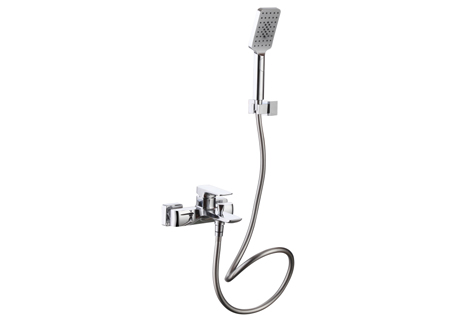
The first step is confirming what kind of bathtub faucet you are removing. A wall-mounted bathtub faucet connects through supply points inside the wall and usually includes visible trim over a concealed valve body. A deck-mounted bathtub faucet is fixed to the tub deck or a nearby platform, with connections reached from below. A freestanding bathtub faucet is anchored to the floor and connected to floor-based water lines.
This matters because the removal method changes with the mounting style. A visible spout may look simple from the outside, but the true fastening point may be hidden behind an escutcheon, under the deck, or inside the base cover. A practical bathtub faucet removal process always begins with identifying where the faucet is actually fixed.
Before loosening anything, shut off the water supply completely. If the bathtub faucet has local shut-off valves, close them first. If not, turn off the main water supply for the bathroom or the entire property if necessary. Then open the faucet to release residual pressure from both hot and cold lines.
Protect the bathtub surface and surrounding finishes before using tools. A towel or soft pad placed around the work area helps prevent scratches from dropped parts or slipping wrenches. This is especially important in finished bathrooms where tile, acrylic tubs, or stone surfaces can be marked easily during removal.
For a wall-mounted bathtub faucet, removal usually starts with the visible trim. Handles often have a small decorative cap hiding the screw underneath. Once the cap is lifted carefully, the screw can be removed and the handle pulled free. If scale buildup makes the handle tight, steady pressure is better than twisting aggressively.
After the handle is off, the escutcheon plate or trim sleeve can usually be loosened. Some models thread off by hand, while others are sealed lightly against the wall. If the trim resists, work slowly to avoid chipping the wall finish. Behind the trim, the valve connection or cartridge area becomes visible, allowing access to the real faucet body.
If the goal is full replacement rather than cartridge service, the next step is disconnecting the internal fittings according to the valve layout and access condition.
A deck-mounted bathtub faucet is usually removed from underneath the mounting surface. After the water is shut off, access the underside of the tub deck or platform and locate the hot and cold hose connections. Disconnect the supply hoses first, using two tools if needed so the pipe connection does not twist with the nut.
Once the hoses are free, the mounting nuts or fixing brackets holding the faucet body can be removed. These parts are often tight because of limited space, mineral deposits, or long service life. A basin wrench or low-clearance tool may help. When the mounting hardware is removed, the faucet body can be lifted from above.
This process sounds simple, but tight access is often the real challenge. That is why a durable bathtub faucet design with practical serviceability is often preferred in long-term bathroom projects.
A freestanding bathtub faucet is usually fixed through a decorative base cover hiding the anchoring hardware. After the water supply is shut off, remove the base cover and inspect how the faucet is secured. In many cases, the vertical body is fixed to a floor mounting bracket or threaded connector.
The faucet body should be stabilized while the fasteners are loosened so it does not lean and stress the floor connection. Once the base is released, disconnect the water lines and lift the faucet carefully. Because freestanding models are more visible and often heavier, removal should be controlled and even to avoid damaging the floor finish around the anchor point.
Older bathtub faucets often resist removal because scale and corrosion lock parts together. Handles may stick to cartridges, trim sleeves may seize around threaded sections, and supply nuts may feel welded into place by mineral deposits.
In these cases, patience matters more than force. A penetrating fluid can help loosen threaded joints, but it should be used carefully and kept away from delicate visible finishes where possible. Gentle rocking movement is usually better than a sudden pull. If a part still refuses to move, identify whether a hidden set screw or secondary fixing point is still in place before applying more pressure.
The biggest mistake during removal is forcing a stuck part until the pipe behind the wall or under the deck begins to rotate. Once that happens, a simple faucet replacement can turn into a plumbing repair.
After the faucet is removed, inspect the exposed plumbing immediately. Look for worn threads, water stains, damaged sealing surfaces, cracked connectors, or signs of long-term leakage. If the old faucet was loose or dripping, the problem may not have been the visible faucet alone. The rough-in body, supply hoses, or mounting surface may also need correction.
This inspection stage is often overlooked, but it is one of the most important parts of a successful replacement. A new faucet installed on weak or damaged connections may look perfect at first and still fail later.
| Faucet Type | Main Removal Point | Typical Difficulty |
|---|---|---|
| Wall-mounted bathtub faucet | Hidden trim and concealed valve area | Escutcheon removal and limited wall access |
| Deck-mounted bathtub faucet | Supply lines and mounting nuts below deck | Tight working space under the tub edge |
| Freestanding bathtub faucet | Base cover and floor anchor system | Heavy body control and floor connection access |
This comparison makes it easier to understand why bathtub faucet removal should always start with the mounting method rather than the visible shape.
Bathtub faucet removal is easier when the original product is designed with installation and servicing in mind. Clear fixing logic, stable threads, accessible mounting hardware, and reliable trim construction all reduce repair time and replacement difficulty. This is one reason project buyers often look for a bathtub faucet supplier or bathtub faucet manufacturer that understands both design appearance and long-term maintenance practicality.
HAOJIAJIA focuses on bathtub faucet solutions that support both visual design and functional usability. If you are evaluating replacement models, renovation options, or custom bathtub faucet requirements for residential or project use, you can browse our bathtub faucet page.
Removing a bathtub faucet begins with identifying the faucet type, shutting off water safely, and exposing the true mounting points before loosening any major connection. Wall-mounted models usually require trim removal first, deck-mounted models are released from below, and freestanding models depend on base access and floor anchoring. The process becomes much safer and cleaner when scale buildup, hidden screws, and plumbing condition are checked carefully rather than forcing parts apart.
If you are replacing an old bathtub faucet or planning a bathroom upgrade and need help choosing a practical replacement model, contact HAOJIAJIA for product guidance and project support. Our team can help you compare mounting types, design directions, and suitable solutions for your installation needs.
Previous: How To Remove A Kitchen Faucet?

 Mobile Phone:
 Phone:
 Contact Now