
A thermostatic shower system is a shower setup that keeps water temperature stable automatically, even when water pressure changes elsewhere in the building. Instead of constantly adjusting the handle when someone flushes a toilet or turns on a tap, the system uses a thermostatic valve to balance hot and cold water in real time. The result is a safer, more comfortable shower with fewer temperature swings, which is why thermostatic shower systems are widely used in hotels, apartments, and family bathrooms where consistent performance matters.
This article explains what a thermostatic shower system is, how it works, how it differs from a standard mixer, what features matter when selecting one, and how to match specifications to real installation conditions. You can explore HAOJIAJIA options through our thermostatic shower bar collection.
At the center of a thermostatic shower system is a thermostatic cartridge. This cartridge contains a temperature-sensitive element that expands or contracts as water temperature changes. When incoming hot water becomes hotter or cold water flow drops, the element reacts and adjusts internal valves to correct the mix. This adjustment happens continuously during the shower, which is why the temperature stays close to the set point rather than drifting.
A thermostatic system typically separates two controls. One control sets temperature, and the other controls flow or selects outlets such as an overhead shower, hand shower, or tub spout. This separation makes it easier to maintain a preferred temperature while changing water volume or switching functions.
In practical use, the system is not creating heat. It is managing the ratio of hot and cold water so that the outlet temperature remains stable under changing supply conditions.
Many buyers compare thermostatic valves with pressure-balancing valves, especially in residential and hospitality projects. The key difference is what the valve is actively controlling.
A standard mixer relies on manual adjustment. If pressure changes, the mix changes, and the user feels a temperature swing. A pressure-balancing valve is designed to keep pressure between hot and cold more equal, reducing sudden temperature spikes, but it does not hold a precise temperature the same way. A thermostatic valve is designed to regulate outlet temperature more directly, which is why it is often preferred when comfort consistency is a priority.
If the project goal is a premium shower experience with a stable temperature set point, a thermostatic shower system is the more targeted solution.
Thermostatic systems are often chosen for safety, not only comfort. Sudden hot spikes can be dangerous, especially for children, elderly users, or hospitality guests who are unfamiliar with the building’s plumbing behavior. Many thermostatic systems include an anti-scald stop that limits maximum temperature unless intentionally overridden. This helps reduce accidental overheating.
Safety also matters in commercial environments where multiple showers may run at once. When several users share a hot water supply, temperature stability becomes harder to maintain with manual mixers. Thermostatic control reduces complaints and helps keep user experience consistent.
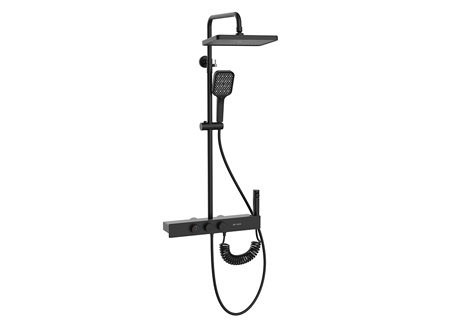
A thermostatic shower bar system commonly integrates the valve body and controls into a wall-mounted bar format, which simplifies installation alignment and provides a clean appearance. In most designs, the thermostat cartridge is housed inside the main body, with water inlets connected from the wall. The system then distributes mixed water to outlets such as a top shower and a hand shower.
Materials and internal structure matter because the valve operates under repeated thermal cycling. For long-term use, a durable thermostatic shower system relies on stable cartridge performance, corrosion resistance, and precise machining that maintains smooth adjustment over time.
Selection should start from the installation conditions. The first factor is water pressure stability. Thermostatic systems perform best when hot and cold supply pressures are within a reasonable range. If one side is consistently much stronger than the other, a pressure regulation approach may be required to get the best outcome.
The second factor is water heating method. Storage water heaters, tankless heaters, and central boiler systems can behave differently during demand changes. Matching the valve’s flow requirements to the heater’s output range helps reduce temperature drift.
The third factor is function configuration. Some projects require only one outlet. Others need overhead plus hand shower, or a multi-outlet setup for a more complete shower experience. A practical thermostatic shower bar should provide smooth switching between functions while keeping temperature stable at each outlet.
Thermostatic systems need correct plumbing direction. Hot and cold inlets must be connected as specified. If they are reversed, the system may not regulate properly and the safety stop may behave incorrectly. Water supply lines should be flushed before installation because debris can damage the cartridge or restrict internal movement.
If the local water has high sediment or scale, adding filtration and planning periodic maintenance will protect long-term performance. These steps are especially important in hospitality projects and large developments, where consistent results across rooms matter more than single-unit optimization.
In procurement, selection often comes down to a few measurable specifications. Buyers commonly confirm inlet spacing, outlet configuration, cartridge type, and surface finish options. They also ask about compatibility with common pipe standards and whether the system supports consistent temperature under variable flow.
The table below summarizes typical specification categories and what they influence during selection.
| Specification Item | What It Controls | Why It Matters |
|---|---|---|
| Inlet spacing and connection type | Fit to existing plumbing | Prevents rework and simplifies installation |
| Cartridge design | Temperature stability and response | Drives comfort and safety performance |
| Outlet functions | Shower experience and usability | Ensures the system matches user needs |
| Body material and finish | Corrosion resistance and appearance | Supports long-term durability |
| Flow behavior | Heater compatibility | Reduces temperature fluctuation during demand changes |
A project-ready approach is to confirm these items early, then choose the model that fits both the plumbing layout and the intended user experience.
For developers and wholesalers, a thermostatic shower bar is often selected because it provides stable temperature control in a simplified format that is easy to standardize across projects. HAOJIAJIA offers thermostatic shower bar solutions designed for consistent operation, clean installation layout, and long-term use in residential and project environments. If you need a custom thermostatic shower system configuration for a specific market requirement or outlet combination, our team can support specification matching and selection guidance through the product range on our thermostatic shower bar collection.
A thermostatic shower system is designed to keep shower water temperature stable automatically by continuously balancing hot and cold water inside a thermostatic valve. Compared with standard mixers, it reduces temperature swings, improves comfort, and adds a stronger safety layer through controlled temperature limits. The best results come from matching the system to real installation conditions such as water pressure balance, heating method, and outlet configuration, then installing with correct inlet connections and clean supply lines.
If you are selecting thermostatic shower systems for a project, retail program, or wholesale supply plan, contact HAOJIAJIA with your installation layout and function requirements. We can provide guidance on model selection, configuration, and practical installation considerations to help you achieve stable performance and a consistent shower experience.
Previous: How To Install A Shower System?

 Mobile Phone:
 Phone:
 Contact Now