
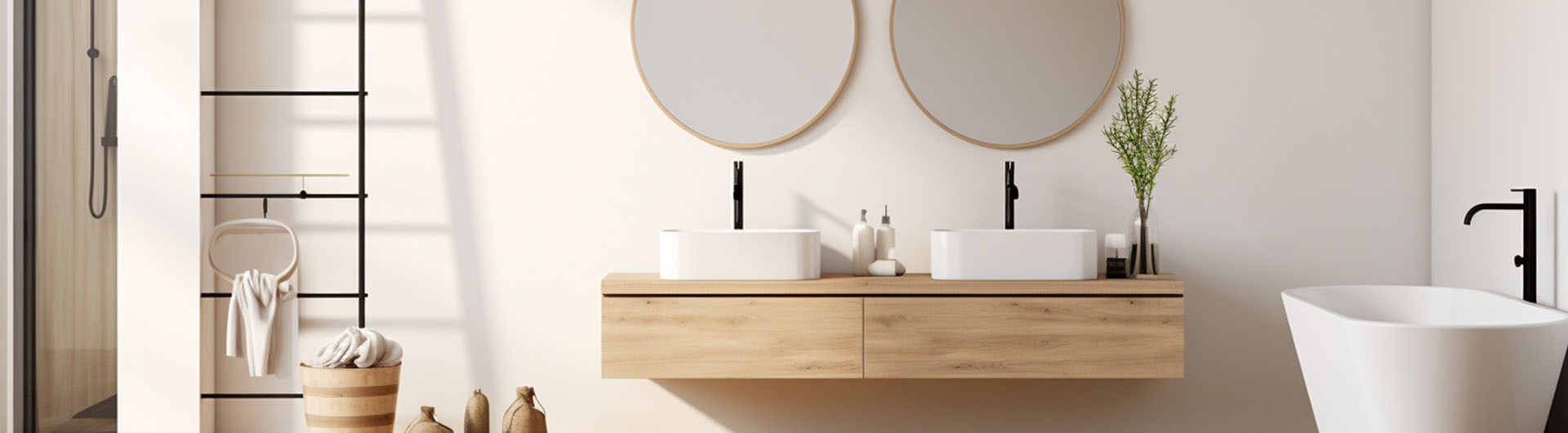
A Tall Bathroom Faucet is often associated with modern bathrooms because it adds vertical structure, creates a clean silhouette above the countertop, and pairs naturally with vessel basins. But height alone does not guarantee a good result. The right tall faucet should match the basin type, spout reach, installation geometry, and daily-use habits such as handwashing, face washing, and cleaning the sink. When these factors align, a tall faucet can improve comfort, reduce splash, and make the sink area look more organized and intentional. When they do not align, the faucet can feel awkward to use, make cleaning harder, or cause water to hit the wrong spot and splash onto the countertop.
This guide explains how tall bathroom faucets fit modern bathroom layouts, what to check before specifying one, and how a well-built tall faucet design supports long-term stability and appearance. If you need to explore design options and finish choices, please browse our tall bathroom faucet page.
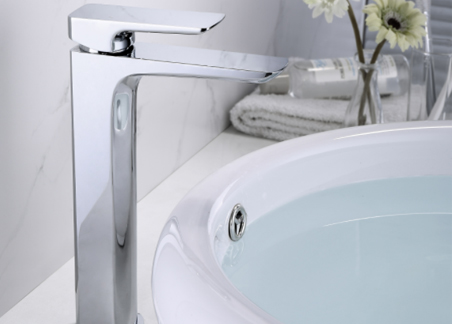
A tall bathroom faucet is typically designed with a higher spout outlet and a longer visual profile than a standard deck-mounted Basin Faucet. In modern bathrooms, vessel basins and above-counter sinks are common because they create a sculptural element and allow more freedom in vanity design. A tall faucet complements this by placing the water outlet at a usable height above the rim.
Modern bathrooms also lean toward cleaner lines and fewer visual interruptions. A tall faucet can create a single, clear vertical element that visually balances mirrors, wall lighting, and countertop accessories. In many contemporary interiors, the faucet is treated as part of the architecture of the vanity, not just plumbing hardware.
However, the real question is not whether tall faucets look modern. The real question is whether the height and geometry improve daily use in your specific sink setup.
Tall faucets perform best when the basin and countertop arrangement needs extra clearance for practical use. The most common match is a vessel sink. With a vessel sink, the basin rim is already elevated above the countertop. A standard faucet may deliver water too low, causing the stream to hit the side wall at an awkward angle or forcing the user to bring hands too close to the rim. A tall faucet raises the outlet so the water falls naturally into the bowl.
Tall faucets also suit modern bathrooms where the vanity top is thicker, the sink is deep, or the user prefers more space for hand positioning. Extra clearance can make handwashing and rinsing more comfortable, especially for users who find short faucets restrictive.
In practical terms, tall faucets are most likely to feel right when:
The sink is a vessel basin or above-counter basin
The sink bowl is deep enough to control splash
The faucet spout reach is designed to land water near the bowl center
The countertop has enough area to manage incidental water without pooling at the base
A tall faucet can look impressive but still be a poor match if the sink geometry does not support it. The most common issue is splash. If a faucet is high but the bowl is shallow or the stream lands too close to the front slope, water will rebound onto the countertop. This is not only messy. Over time, constant water exposure around the base can stress seals and create staining around the mounting area.
Another issue is proportion. In compact bathrooms, an overly tall faucet can visually dominate the vanity and create a crowded look, especially when the mirror is low or there are shelves above the sink. A third issue is cleaning access. A tall faucet may make it harder to wipe behind the spout or around the base if the countertop layout is tight.
Tall faucets are less suitable when:
The sink is a shallow drop-in basin
The bowl interior is wide and flat, which increases splash risk
The faucet outlet is too high relative to the bowl depth
The spout reach is short, causing water to hit near the rim instead of the center
The vanity depth is limited and leaves little counter space behind the faucet
These are not style problems. They are geometry and usage problems, and they directly affect satisfaction after installation.
For a tall faucet to feel natural, three dimensions must work together: overall faucet height, spout outlet height above the rim, and spout reach to the stream landing point. Many buyer regrets happen because only one dimension is considered.
A simple way to think about fit is stream placement. In daily use, the water stream should land in a stable zone where the bowl can capture splashes, usually toward the center or slightly rear-center depending on bowl shape. If the stream lands too close to the front, water splashes outward. If it lands too far back, users may hit the rear wall and create splash or noise.
A tall faucet is most comfortable when the stream has enough drop to rinse hands efficiently, but not so much drop that it creates aggressive splash. This is why tall faucet design is not only about height but also about aeration and flow conditioning.
Vessel sinks are popular in modern bathrooms because they create a premium look and allow flexible countertop materials. They also change the faucet requirement. A vessel sink raises the rim, so the faucet must provide clearance. A tall faucet is one of the most common solutions because it keeps the faucet deck-mounted, avoiding wall plumbing changes.
Modern vanities often use stone slabs, sintered stone, quartz, or thick composite tops. These materials have different drilling requirements and thickness tolerances. A tall faucet installed on a thick countertop must have a stable mounting structure and sufficient thread length and sealing design to prevent movement.
When the faucet is tall, leverage forces at the base can be higher during use. This makes construction and mounting quality more important than it would be for a low-profile faucet. A secure base design, stable body material, and reliable cartridge system help maintain a tight feel over time.
Modern bathrooms often prioritize low-glare, soft finishes such as matte black, brushed nickel, and warm metallic tones. These finishes can look clean and architectural, but daily cleaning behavior should match the finish type. Some finishes show water spots more easily, while others highlight fingerprints.
Tall faucets have more visible surface area, which means finish quality and coating consistency are more noticeable. A stable finish system helps the faucet maintain a uniform appearance across the spout, handle, and base over years of wiping and exposure to humidity.
Common finish routes for modern faucets include electroplating, PVD coating, and matte coating. The right finish choice depends on the desired visual effect and the cleaning habits expected in the home.
A tall faucet is often chosen for design impact, but long-term satisfaction depends on the internal build and how stable the faucet remains after years of use. The most important durability elements are the main body structure, internal cartridge precision, and surface treatment consistency.
A stable main body helps resist loosening at the base, especially in thick countertops or vessel sink installations. A precision ceramic cartridge supports smooth operation and reliable shut-off. A well-controlled surface treatment reduces the chance of discoloration or uneven wear in high-touch areas.
HAOJIAJIA focuses on practical faucet construction and finish flexibility so modern bathrooms can achieve both the look and the long-term usability buyers expect. If you want to review tall faucet styles and finish options, please browse our tall bathroom faucet page.
Instead of treating tall faucets as a style decision, it is more reliable to treat them as a fit decision. A simple fit check helps confirm that the faucet will be comfortable in daily use.
Key checks that reduce installation mismatch:
Confirm basin type and depth, especially if it is a vessel sink
Check that spout reach places water toward the bowl center
Confirm outlet height above the rim to control splash
Ensure countertop thickness and mounting area allow stable installation
Consider cleaning access around the base and behind the spout
These checks keep the decision practical and help ensure the faucet looks modern and performs well.
A tall bathroom faucet can be the right choice for a modern bathroom when it matches the sink geometry and daily-use needs. It is most effective with vessel basins and above-counter designs, where added clearance improves comfort and makes the vanity look intentionally modern. The key is not height alone, but how height, spout reach, and stream placement work together to prevent splash and support easy use. Construction stability and finish consistency then determine how well the faucet holds its appearance and tight feel over years of operation.
If you want to explore tall faucet options designed for modern bathrooms and vessel sink compatibility, please browse our tall bathroom faucet.

 Mobile Phone:
 Phone:
 Contact Now