
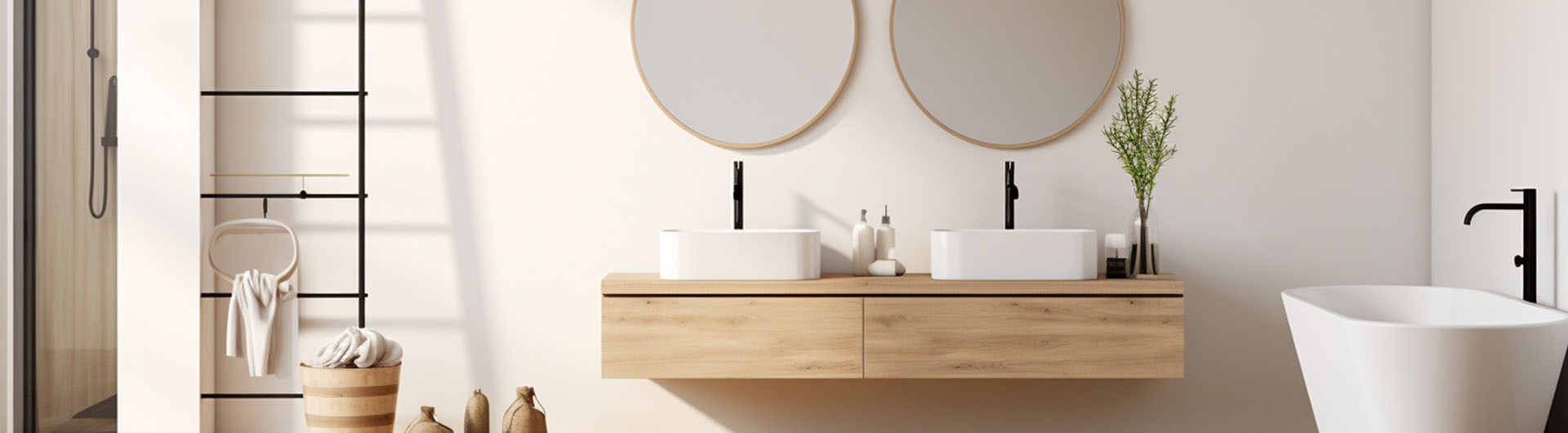
A floor standing bathtub faucet is a statement piece in modern bathrooms, especially with freestanding tubs. It creates a clean visual line from floor to spout, avoids drilling the tub deck, and makes it easier to place the tub as a centerpiece rather than pushing it against a wall. When you choose stainless steel for this type of faucet, the decision becomes more than appearance. Material choice directly affects long-term corrosion resistance, surface stability under daily cleaning, and reliability in humid bathroom conditions.
This article explains why a stainless steel floor standing bathtub faucet is worth choosing, what performance advantages it offers compared with other common materials, and what details matter most for installation and long-term use. You can review available options here: floor standing bathtub faucet.
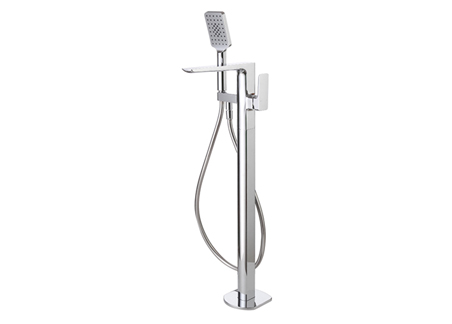
Freestanding tubs are often placed away from walls or centered under a window or feature lighting. A floor standing faucet supports these layouts because the water supply rises from the floor and reaches the tub without needing a wall-mounted valve or a deck-mounted faucet. This gives designers more freedom in bathroom planning and creates a visually clean tub zone.
A well-designed floor standing faucet also improves user comfort. The spout can be positioned at an ideal height for filling the tub, and the hand shower can be integrated for rinsing, hair washing, or cleaning the tub surface. For homeowners and hospitality projects, this type of faucet becomes part of the overall experience because it is seen and used daily.
Bathrooms are harsh environments for metal products. Steam, condensation, and cleaning chemicals continually stress the surface. Many faucet materials depend heavily on surface plating to resist corrosion. Once the coating wears, scratches, or chips, the base metal may discolor or corrode more easily.
Stainless steel is valued because corrosion resistance is built into the material itself. This reduces the risk of visible deterioration over time, especially in bathrooms with high humidity or coastal climates. It also helps maintain a clean, consistent appearance when the faucet is wiped frequently, which is common in family homes and hotels.
For buyers who care about long-term stability, stainless steel is often chosen to reduce finish complaints such as peeling, blistering, or patchy wear that can occur when surface coatings face constant moisture and repeated cleaning.
Floor standing faucets are touched often. Users adjust temperature and flow, switch between spout and hand shower, and handle the shower wand. The surface must resist fingerprints, soap residue, and light abrasion from routine wiping.
Stainless steel surfaces are typically easier to maintain because normal cleaning with mild soap and a microfiber cloth is enough for daily care. In many bathrooms, the most common issue is water spotting from mineral residue. Stainless steel does not solve hard-water spotting by itself, but it generally tolerates descaling routines better than finishes that are easily dulled by stronger cleaners.
This matters because bathtub zones often receive more cleaning attention than other fixtures, especially in hospitality properties where appearance standards are strict.
A floor standing bathtub faucet is tall and exposed. Stability matters because any looseness becomes noticeable when the handle is turned or when the hand shower is pulled out. Material strength and internal structure influence how solid the faucet feels during use.
Stainless steel is a strong choice for floor standing bodies because it supports a rigid structure that resists flexing. When combined with correct internal reinforcement and stable base installation, it helps maintain alignment and reduces wobble over time. For projects that value a premium user feel, this stability is a major advantage because it signals quality at first touch.
Stainless steel fits a wide range of bathroom design themes. It works well in minimalist spaces, industrial-inspired bathrooms, and modern luxury styles. It also pairs naturally with common bathroom materials such as stone, concrete-look tile, and matte surfaces.
Another reason designers choose stainless steel is visual consistency. It tends to match other stainless steel or brushed metal elements more naturally, including shower rails, towel hardware, and accessory trims. This makes it easier to build a coherent bathroom metal palette without worrying about tone mismatches across different product types.
Floor standing faucets require correct rough-in planning because water supply lines are routed through the floor. Choosing a well-built stainless steel model supports long-term use because the faucet will remain exposed and serviceability becomes important. For many projects, the ideal faucet is one that can be installed cleanly, sealed reliably at the base, and maintained without complicated disassembly.
Installation planning should consider the tub position and spout reach so the water stream lands properly in the tub without splashing. It should also allow enough clearance for the hand shower hose and user movement. A stable floor mount and correct sealing protect the floor surface from water intrusion and keep the faucet upright and secure.
Material differences become clearer when you compare real-world risk points such as corrosion, surface wear, and long-term appearance.
| Material | Main Advantage | Typical Weak Point in Bathroom Use | Best Fit For |
|---|---|---|---|
| Stainless steel | Strong corrosion resistance and stable surface | Hard-water spots still require wiping | Long-term durability and consistent appearance |
| Brass with plated finish | Traditional structure, widely used | Finish wear can show base metal over time | Design-focused bathrooms with controlled maintenance |
| Zinc alloy with plating | Cost-efficient shaping | Coating damage can reduce durability | Budget projects with lighter usage expectations |
| Painted metal | Wide color options | Scratches and edge wear are more visible | Decorative projects with careful cleaning routines |
If your priority is long service life with stable appearance in humid environments, stainless steel is often the safer long-term choice.
For wholesalers and project contractors, product stability and consistency matter because replacements and complaints cost time and money. Stainless steel helps reduce common after-sales issues related to corrosion and finish instability. In large projects, uniform appearance across batches also matters because multiple bathrooms must match visually.
A stainless steel floor standing faucet is also a strong product category for premium positioning. It fits the freestanding tub trend, supports modern bathroom aesthetics, and can be presented as a long-life material choice in product listings and showroom displays.
If you are sourcing models or comparing structural options, you can explore available styles here: floor standing bathtub faucet.
Choosing a stainless steel floor standing bathtub faucet is a practical decision for freestanding tub bathrooms because it supports flexible layout planning, delivers a clean modern look, and offers strong corrosion resistance for long-term use. Stainless steel is especially valued in humid environments and in bathrooms that require frequent wiping and cleaning, where finish stability and structural strength directly affect how the faucet looks and feels over time.
If you want a floor standing bathtub faucet that matches modern freestanding tub design while prioritizing durability and stable appearance, explore the floor standing bathtub faucet selection.

 Mobile Phone:
 Phone:
 Contact Now