

A leaking single handle bathtub faucet is more than a minor annoyance. It can waste a significant amount of water, increase utility costs, and signal internal wear that may worsen over time. Because single handle bathtub faucets control both temperature and flow through one internal mechanism, leaks usually originate from specific components rather than random failure. This article explains how to fix a single handle bathtub faucet leak in a clear, structured way, focusing on diagnosis, repair steps, and prevention. The guidance applies to common modern designs, including those similar in structure to the HAOJIAJIA bathtub faucet range, which use serviceable internal cartridges and seals.
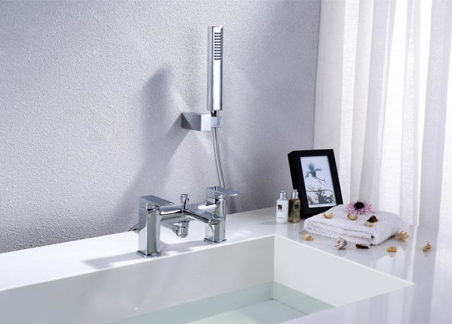
Single handle bathtub faucets rely on a cartridge or mixing valve to regulate water flow and temperature. When the handle is turned off, the cartridge is supposed to seal completely against water pressure from both hot and cold lines. Over time, friction, mineral deposits, and pressure fluctuations gradually degrade sealing surfaces.
Unlike two-handle systems where leaks may be isolated to one side, a single handle faucet leak often affects the entire system. This is why drips may continue even when the handle appears fully closed. Understanding this internal structure helps narrow down the repair approach and avoids unnecessary part replacement.
Before disassembling the faucet, it is important to observe where the leak is occurring. Different leak locations point to different internal problems.
Common leak patterns include:
Water dripping steadily from the tub spout when the faucet is off
Moisture appearing behind or below the handle trim
Leaking only when the handle is in use
Slow dripping that increases after showering
A spout drip almost always indicates a worn cartridge, while leaks around the handle usually involve O-rings or seals. Correct identification prevents wasted time and ensures the right components are addressed first.
Proper preparation is essential for both safety and efficiency. Even small bathtub faucet repairs should never be attempted with the water supply turned on.
Before starting:
Shut off the main water supply or the bathroom isolation valves.
Open the bathtub faucet to release trapped pressure.
Cover the tub drain to prevent losing screws or clips.
Protect the tub surface from tools or falling parts.
This preparation stage also allows you to examine the faucet trim and handle design so you understand how components are secured.
Single handle bathtub faucets usually hide their fasteners for aesthetic reasons. The handle is often secured by a set screw beneath a decorative cap.
After removing the handle, the trim plate or escutcheon can be taken off to expose the valve body. This step should be done carefully to avoid scratching the finish or damaging wall surfaces. In many cases, mineral buildup may cause components to stick, requiring gentle movement rather than force.
Well-designed faucets, including those in the HAOJIAJIA bathtub faucet collection, are typically engineered to allow trim removal without disturbing the internal valve body.
In most single handle bathtub faucet leaks, the cartridge is the primary issue. Ceramic or pressure-balance cartridges wear down internally, allowing water to pass even when closed.
Once the cartridge is exposed:
Pull it straight out using manufacturer-recommended tools if needed
Inspect for cracks, worn seals, or heavy mineral deposits
Clean light scale buildup if the cartridge is still structurally sound
Replace the cartridge if sealing surfaces are damaged
Using the correct cartridge type is critical. An incompatible replacement may fit physically but fail to seal properly under pressure.
If water leaks from behind the handle rather than the spout, the issue is often related to O-rings or secondary seals. These components prevent water from escaping along the valve stem during operation.
Typical repair steps include:
Removing old O-rings carefully
Cleaning the seal grooves
Installing new O-rings of the correct size
Applying a small amount of plumber’s grease for smooth movement
This type of repair restores handle tightness and prevents moisture from reaching the wall cavity.
Once internal components are repaired or replaced, the faucet should be reassembled in reverse order. Before reinstalling decorative trim permanently, testing is essential.
Testing should include:
Gradually turning the water supply back on
Running both hot and cold water
Checking for leaks at the spout and handle
Confirming smooth handle movement and full shutoff
If any dripping remains, the cartridge seating or seal alignment should be rechecked before closing everything up.
After fixing a single handle bathtub faucet leak, preventive care helps extend the life of the repair and the faucet itself.
Recommended practices include:
Avoid forcing the handle into the off position
Clean mineral deposits periodically in hard water areas
Address small drips early before internal damage worsens
Choose faucets with durable, replaceable internal components
Modern Bathtub Faucets designed with serviceable cartridges, such as those found in the HAOJIAJIA bathtub faucet series, support easier maintenance and reduce long-term leak risk.
Fixing a single handle bathtub faucet leak requires understanding how the internal cartridge and seals work together to control water flow. By identifying the leak location, preparing properly, and repairing or replacing worn components, most leaks can be resolved without replacing the entire faucet. Careful reassembly and testing ensure reliable performance after repair. With proper maintenance and a well-constructed faucet design, single handle bathtub faucets can deliver long-term, leak-free operation while maintaining consistent water control.

 Mobile Phone:
 Phone:
 Contact Now