
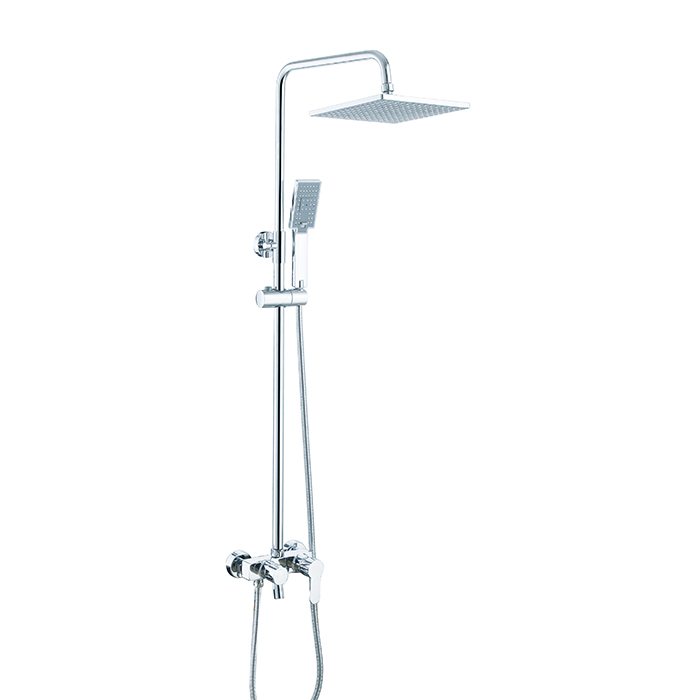
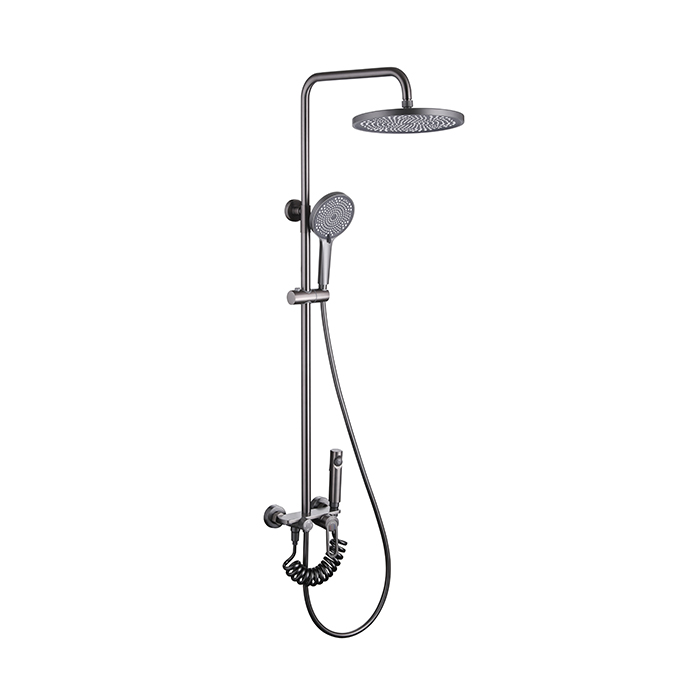
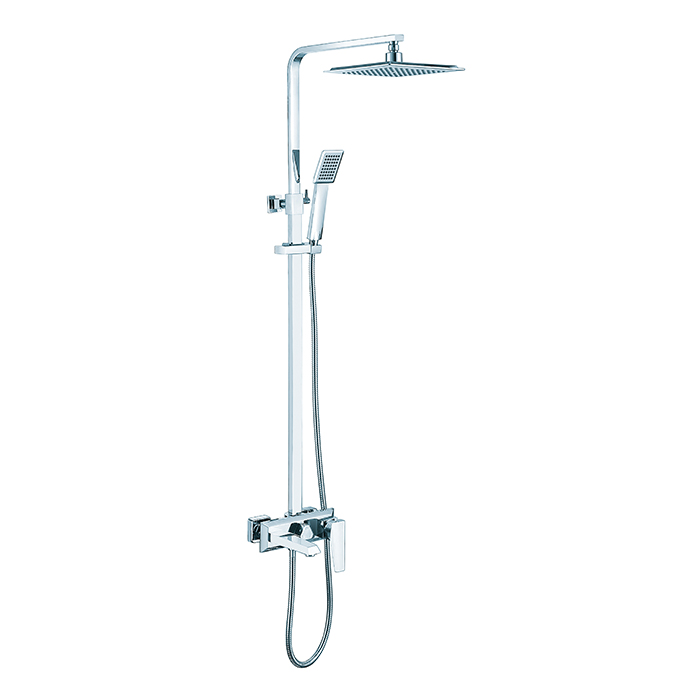
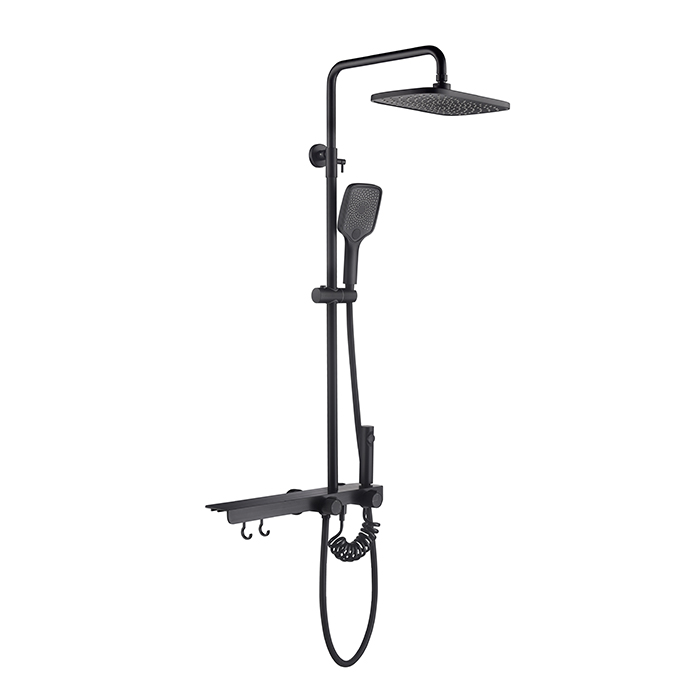
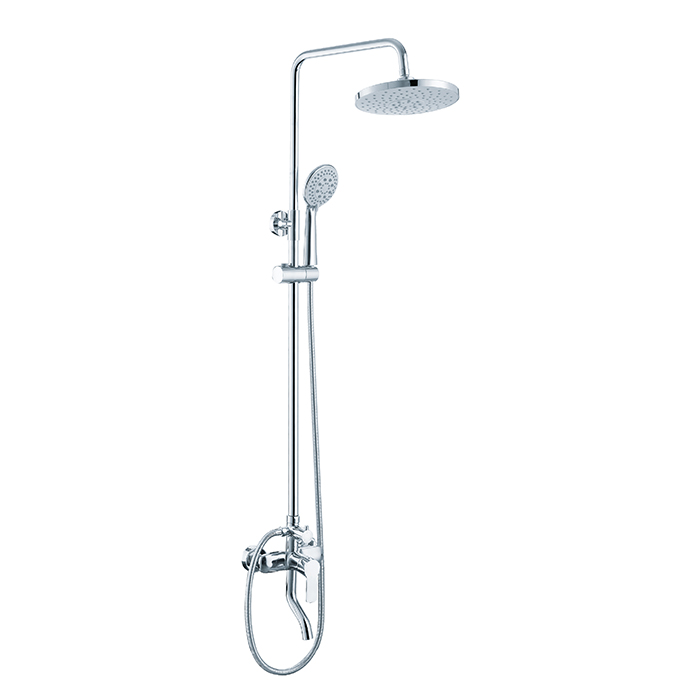
This exposed shower system with a tub spout is a bathroom fixture that integrates a shower assembly and a bathtub outlet into a single unit. Featuring an exposed piping structure, the system allows the water supply lines, mixing valve, and shower components to be mounted directly onto the surface of the wall. Typically comprising an overhead showerhead, a handheld shower, an adjustable shower bar, a mixing control valve, and a tub spout, the system enables users to switch between various water outlets via a unified control mechanism. The exposed design simplifies the installation process by eliminating the need for complex in-wall plumbing work, while also facilitating easier maintenance and repairs. By utilizing a diverter mechanism to control water flow direction, the system allows users to seamlessly switch between the overhead shower, the handheld shower, and the bathtub filling function.
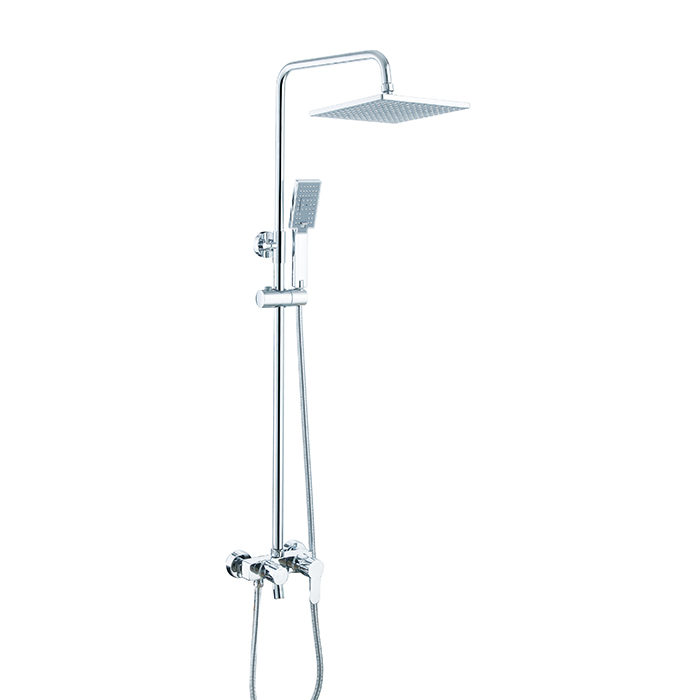
1. Large Overhead Spray
The exposed shower system with tub spout features a large square overhead spray structure, typically with sides between 20 and 25 cm and over 80 nozzles. The larger water surface area creates a uniform water flow, significantly expanding the water coverage. By increasing the number of nozzles, the uniformity of the water flow can be improved by approximately 30%, ensuring a stable water coverage effect during showering.
2. Three-way Water Outlet
This system uses an internal water distribution structure to control three water outlets: one for the overhead shower, one for the hand shower, and one for the tub. Users can switch between different water flow modes using the water distribution control device, allowing a single system to handle multiple water usage scenarios. The internal water flow channels are typically designed with independent diversion structures, maintaining a stable water flow within a supply pressure range of 0.1 to 0.6 MPa.
3. Adjustable Height
The shower system is equipped with an adjustable shower rod structure, allowing the height of the overhead shower to be adjusted according to installation requirements. Shower rod adjustment range is typically between 94 and 130 cm, allowing users of different heights to find a suitable shower height. The handheld shower head can also be adjusted up and down via a sliding rail structure, improving overall usability.
4. Pressure-Regulating Valve Core
Exposed shower systems with tub spouts typically employ a ceramic valve core structure, maintaining stable water flow control. The ceramic valve core structure typically has a lifespan of over 500,000 cycles, ensuring smooth operation over long-term use. The stable valve core structure reduces the risk of leakage and improves overall reliability.
5. Corrosion-Resistant Structure
The main body of the product is usually made of brass or stainless steel, giving the system excellent corrosion resistance. The chrome plating thickness is typically between 8 and 12 microns, reducing water stain adhesion and improving surface abrasion resistance. The metal main body structure can withstand long-term water pressure and temperature changes, maintaining product stability.
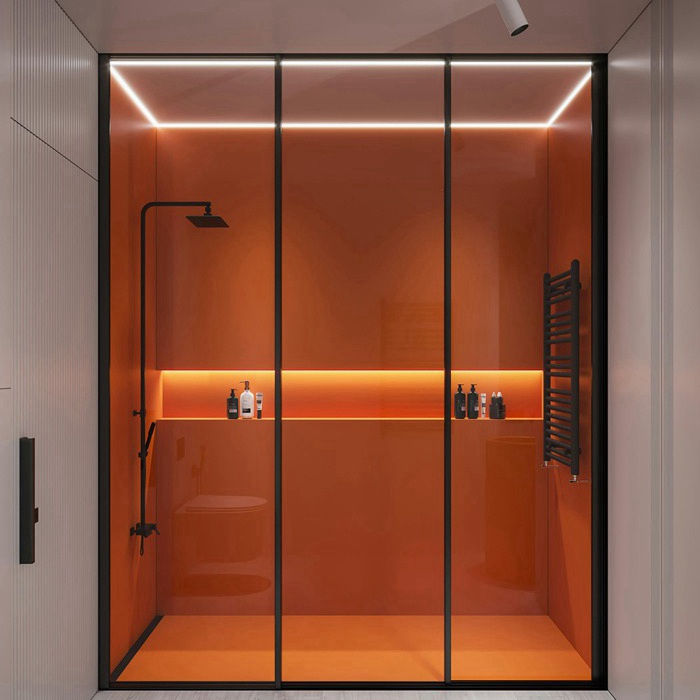
1. Home Bathrooms
In home bathrooms, the exposed shower system with tub spout simultaneously meets the needs of both showering and bathtub filling. Users can switch between overhead shower and bathtub water outlets via a split-control structure, reducing the need for multiple separate faucets. The unified system structure improves the overall neatness of the bathroom fixtures.
2. Bathtub Showers
In bathtub shower scenarios, the system provides a steady water flow through either an overhead or handheld showerhead, while quickly filling the bathtub when needed via the tub spout. The bathtub spout typically has a large water channel, allowing a flow rate of 8 to 12 liters per minute, thus shortening bathtub filling time.
3. Hotel Bathrooms
In hotel guest room bathrooms, the exposed shower system with tub spout provides unified shower and bathtub water equipment. The multi-functional structure allows guest rooms to offer both showering and bathing experiences simultaneously, increasing bathroom flexibility. The unified system design also helps maintain a neat layout of bathroom fixtures.
4. Apartments
In apartment living environments, this product can adapt to the different needs of residents. The overhead showerhead is suitable for everyday showering, while the bathtub spout is for filling the bathtub or for routine cleaning. The split-spout design allows users to quickly switch between different water flow modes, improving overall convenience.
5. Home Renovation
In bathroom renovation projects, an exposed shower system with a tub spout reduces the need for wall piping. The exposed installation allows the water supply pipes to be installed directly on the wall surface, reducing complex piping installations. This design shortens installation time and reduces construction difficulty.
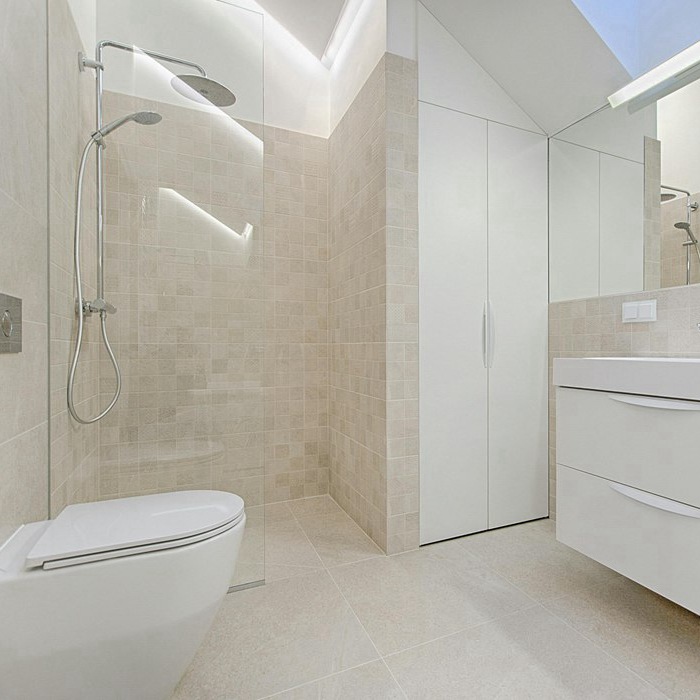
A: This product uses an exposed installation structure, with the water supply pipes directly installed on the wall surface, making installation generally simple. Installation is complete simply by connecting the hot and cold water inlets and securing the shower rod. Compared to concealed shower systems, the exposed structure reduces the need for internal wall piping installation.
A: Overhead shower heads typically have a 20-25 cm square structure with over 80 internal spray nozzles. Increasing the nozzle density allows for more even water distribution, creating a larger water coverage area during showering and a more consistent shower experience.
A: Due to its exposed structure, the system's pipes and connections are all located outside the wall, making maintenance and repairs relatively convenient. If water flow problems occur or parts need replacement, it can usually be done externally without dismantling the wall structure.
A: Handheld showerheads are typically mounted on adjustable rails, allowing users to move the showerhead up and down as needed. The rails are usually adjustable over a wide range, ensuring a comfortable viewing height for users of different heights and improving overall comfort.
A: These products typically use a brass or stainless steel body with a corrosion-resistant coating, enabling the system to withstand long-term water pressure. The internal ceramic valve core usually has a lifespan of over 500,000 cycles, ensuring stable performance over extended use.

 Mobile Phone:
 Phone:
 Contact Now