
1. Concealed Structure
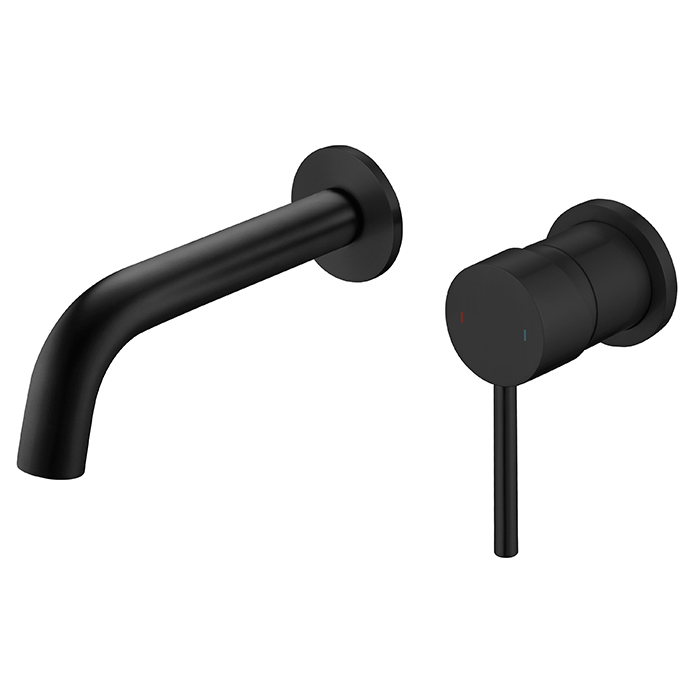
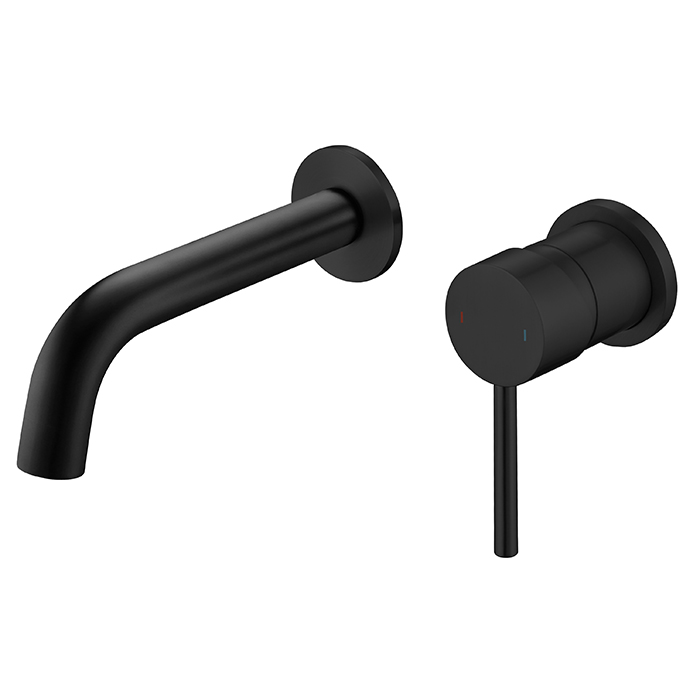
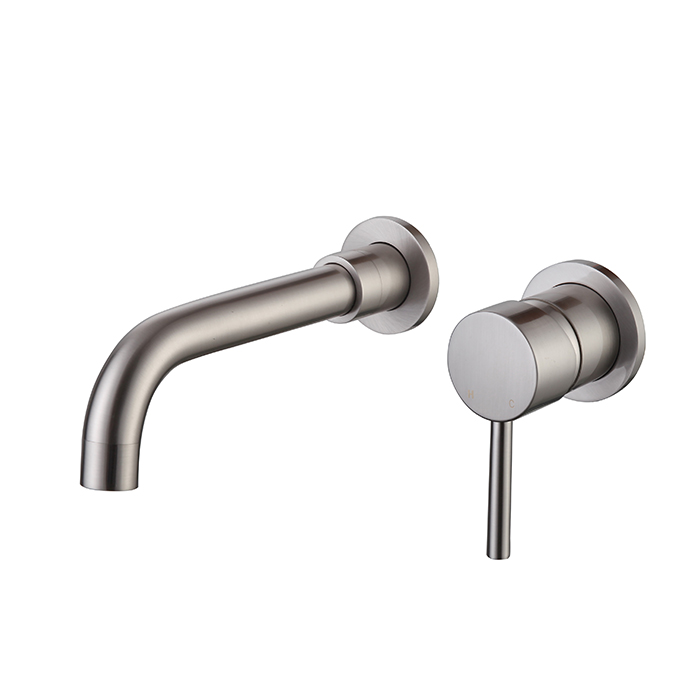
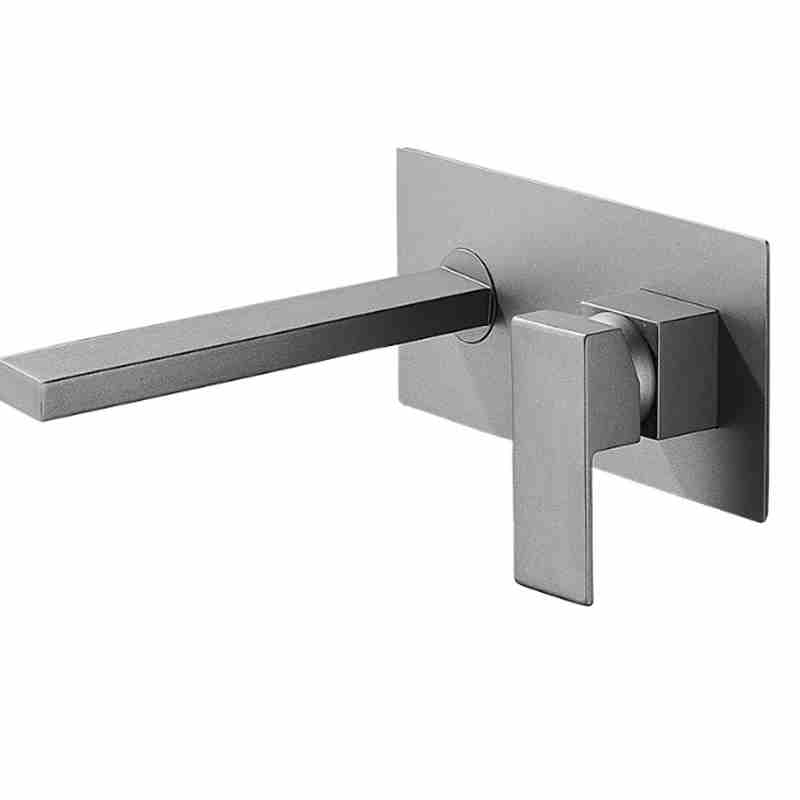
Concealed bathroom taps utilize a wall-mounted valve body structure, with the valve core and mixing components completely installed inside the wall. Only the spout and control handle are exposed. This structure reduces the exposed surface area of external parts by approximately 60%–70%, effectively minimizing limescale buildup and hard-to-clean areas. The in-wall valve body typically requires a minimum installation depth of 50mm, meeting the requirements of most concrete or lightweight wall structures. This ensures structural stability during long-term use, reducing the risk of loosening or leakage due to external impact.
2. Brass Valve Body
The main valve body is cast from high-density brass, with a copper content typically no less than 59%, providing excellent pressure resistance and corrosion resistance. This material maintains its structural integrity under a working water pressure of 1.6MPa and is not prone to deformation. The internal structure of the brass, combined with precisely machined waterway design, reduces water flow resistance by approximately 15%–20%, ensuring stable water output while extending the lifespan of the valve core, suitable for high-frequency use in commercial and residential settings.
3. Ceramic Valve Core
The internal core component uses a high-precision ceramic valve core, with a surface flatness controlled to the micron level, and has undergone no less than 500,000 hot and cold water switching tests. This valve core maintains good sealing performance in 90°C hot water environments, effectively preventing dripping. Compared to traditional rubber sealing structures, ceramic valve cores have a lower wear rate during long-term use, extending the maintenance cycle to 5–8 years.
4. Surface Treatment
Exposed parts are mostly treated with PVD or electrophoretic coating processes, with a coating thickness of approximately 0.2–0.3μm and a hardness of over HV800. The matte black surface can withstand 24–48 hours of neutral salt spray testing without significant corrosion marks, making it suitable for high-humidity bathroom environments. This process also effectively resists discoloration or oxidation caused by daily cleaning agents, maintaining a consistent visual appearance over time.
5. Standard Interface
The product design follows the internationally recognized 1/2 NPT pipe interface standard, directly compatible with most hot and cold water piping systems. After installation, this interface can withstand continuous water pressure testing of over 1.0MPa, reducing the rate of rework during construction. Standardized interfaces also facilitate future maintenance and replacement, reducing labor time by approximately 20%–30%, and offering a greater cost advantage in engineering projects.
1. Home Bathrooms
In modern homes, concealed bathroom taps are commonly used in master bathrooms or en-suite bathrooms. By concealing the plumbing, they reduce clutter on countertops and walls. The in-wall structure makes the sink area easier to keep dry and clean, suitable for families who prefer a minimalist style. Combined with wall-mounted sinks, they free up more usable space and improve the overall flow and comfort of the bathroom.
2. Hotel Projects
In star-rated hotels and boutique guesthouses, these products help unify the design style of guest rooms. The concealed structure reduces the difficulty of daily room cleaning and lowers maintenance frequency. Stable water temperature control and a smooth water flow experience help improve guest satisfaction while meeting the durability requirements of high-frequency use.
3. Commercial Spaces
Public restrooms in shopping malls, office buildings, and high-end clubs often use concealed bathroom taps to ensure a clean appearance and reduce the risk of damage. The in-wall installation reduces exposed pipes, improving overall safety and making them suitable for high-traffic environments.
4. Custom Homes
In villas or high-end custom home projects, these faucets can be matched to the wall thickness and water outlet length to meet personalized design needs. Through careful planning of the installation location, visual symmetry and spatial balance can be achieved, enhancing the overall decor.
5. Renovation and Remodeling
In old house renovations or high-end bathroom remodeling projects, concealed bathroom taps can be an important element of design upgrades. By replanning the internal plumbing of the walls, a transition from exposed faucets to a concealed system can be achieved, giving the entire space a fresh new look.
A: Compared to surface-mounted faucets, concealed products require pre-installation of the valve body and pipework planning. However, once the basic construction is complete, the subsequent installation process is relatively straightforward. Using standard interfaces reduces construction errors, and the overall installation time can be controlled within a typical bathroom renovation cycle.
A: These products usually have a maintenance access panel or removable panel designed into them, so valve core replacement does not require damaging the wall. Ceramic valve cores have a long lifespan, and the actual maintenance frequency is low, making them suitable for long-term use.
A: Concealed bathroom taps are designed for a wide range of water pressures, typically accommodating the common household water pressure of 0.3–0.6 MPa. Under reasonable water pressure conditions, the water flow and mixing performance are stable.
A: The matte black surface is treated with a special process, making it less prone to showing water stains compared to glossy surfaces. Regular cleaning with a neutral cleaner is sufficient to maintain a clean appearance.
A: These faucets are compatible with various types of countertop basins, wall-mounted basins, and integrated basins. Simply confirm the spout length and installation height during selection to meet the needs of different bathroom layouts.

 Mobile Phone:
 Phone:
 Contact Now